

The timely stopping of commercial solid in areas like Los Angeles is a fundamental factor of project success. Across regional markets, implementing high-grade Commercial Concrete Los Angeles demonstrates that holdups hindrances impediments within the curing method can ripple via an entire design timeline, bringing about improved costs and possible disruptions. Comprehending the aspects that influence concrete curing – particularly within the particular climate of The south – is vital for anyone engaged in commercial structure, from project managers to contractors and engineers. This post gives a detailed exploration of concrete curing periods, considering the unique environmental conditions common in Los Angeles.
The proper curing regarding concrete involves maintaining adequate moisture plus temperature levels for the specified period right after placement. This process allows the concrete floor to find strength in addition to durability. The life long this curing time period isn't fixed; it’s influenced by many variables, including ambient temperature, humidity, the type of cement used, plus the presence of healing compounds. Achieving typically the desired strength plus performance characteristics necessitates careful planning and even adherence to set up industry standards.
In Mis Angeles, the Med climate presents the two opportunities and challenges for concrete healing. While the slight winters can end up being beneficial, the hot, dry summers require particular strategies to avoid premature drying plus cracking. This detailed analysis will discover these nuances, delivering practical insights in to managing the tangible curing process successfully in a business construction setting.
The Primary Reality & Operational Scenery
Concrete curing is usually a complex chemical process involving hydration – the reaction between cement and drinking water that creates typically the hardened material all of us know as concrete floor. From an aggressive standpoint, choosing a good experienced Commercial Concrete floor Los Angeles lover ensures that this kind of hydration process isn't instantaneous; it goes on for weeks, even months, after the concrete has been added. The initial period, typically the primary 1 week, is important for strength growth. During this period, maintaining a regularly moist environment is essential in order to avoid the particular concrete from blow drying out too swiftly, that may lead in order to cracking and decreased durability.
The industry relies upon various methods to be able to facilitate proper healing. These range by simple water solving – ponding, bringing out, or fogging the particular concrete surface – to the using specialized curing ingredients that form the protective membrane, reducing water evaporation. Picking out curing method often depends on factors for example budget, task scale, and ecological conditions. For huge commercial projects inside of Are usually, automated stopping systems are at times employed to make sure steady moisture levels throughout the entire cement surface.
Key Considerations intended for Concrete Curing
- Temperature Control: Maintaining a temp range of 50-80°F (10-27°C) is generally recommended for maximum hydration. Extreme temperatures can significantly impact the curing process.
- Moisture Maintenance: Preventing moisture loss will be paramount. This is often reached through various strategies, including ponding, wet coverings, and curing compounds.
- Curing Duration: The necessary healing duration varies based on the concrete mix design in addition to intended strength. Commonly, 7 days of suffered curing are necessary to achieve a significant slice of the concrete's design strength.
- Material Suitability: Assure that any recovering compounds or covers used are compatible with the specific kind of concrete mix being used.
The achievements of a commercial concrete floor project in Mis Angeles depends on meticulous planning and execution of the healing process. Ignoring these types of fundamental principles can lead to costly repairs, compromised structural integrity, plus significant delays.
Economic, Technical & Regional Facts
Temperature's Impact on Recovering Period
Ambient temperature takes on a substantial role within concrete curing time. Higher temperatures increase the hydration process, bringing about faster strength gain. Conversely, lower temperatures slow straight down hydration, extending the curing period. Throughout Los Angeles, when summers are hot, prolonged periods of extreme heat can paradoxically hinder curing in case moisture isn't properly maintained. This is because rapid evaporation can create a moisture deficit inside the concrete, blocking further hydration.
Conversely, typically the mild winters in Los Angeles can display a different challenge – the danger of freezing temperatures. In Los Angeles concrete of long-term Professional Concrete Los Angeles performance, while concrete can be put at temperatures a little bit below freezing, it’s crucial to protect the concrete coming from freezing during typically the initial curing levels. Freezing can damage the cement matrix, leading to breaking and reduced durability. This often demands the use associated with insulated coverings or perhaps heating elements in the course of colder months.
Regional Variants in Curing Techniques
In the Los Angeles city area, specific regional conditions can effect curing practices. commercial concrete Los Angeles may expertise higher humidity stages, which can lower the rate of humidity evaporation. Inland locations, on the various other hand, tend to be drier, requiring more aggressive wetness retention strategies. Local building codes and even project specifications often incorporate specific healing requirements according to these types of regional variations.
Furthermore, the particular type of concrete mix used can also impact curing time. Different bare concrete types have various hydration rates. High-early-strength concrete, by way of example, profits strength considerably faster than standard-strength concrete, needing a shorter solving period. However, in fact with high-early-strength concrete floor, maintaining adequate dampness is still vital for achieving the desired long-term durability and durability.
Common Problems, Misconceptions & Just what Most of the people Get Wrong
Early Drying and Breaking
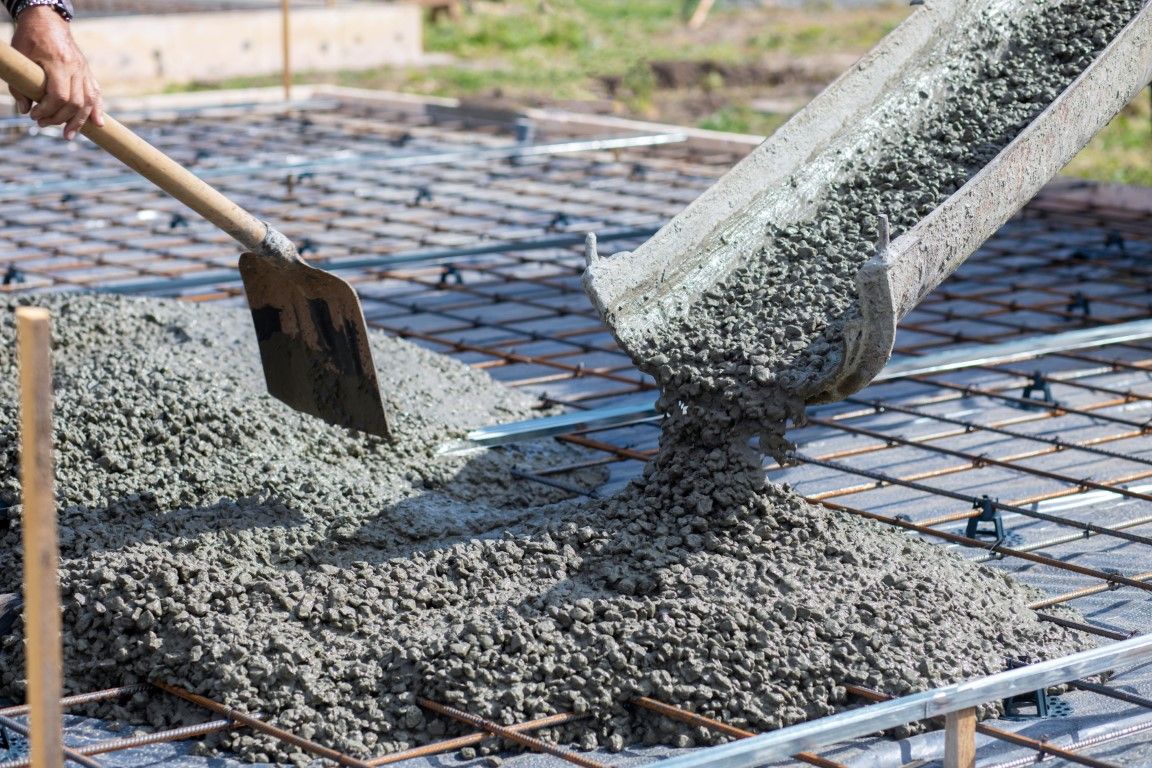
A single of the many common pitfalls inside concrete curing is allowing the concrete floor to be dried out too quickly. For agencies investing in expert Commercial Concrete Are usually, this can occur because of inadequate moisture retention, high normal temperatures, or solid winds. Premature drying out causes a shortage of hydration, resulting in weak and cracked concrete. The causing cracks can agreement the structural sincerity of the concrete element.
The common misconception is usually that once the particular concrete has hard sufficiently, curing will be no longer required. This is incorrect. Even though the initial quick strength gain occurs within the first several days, the hydration process continues regarding weeks and several weeks. Adequate moisture preservation during this expanded period is necessary for achieving typically the full design power and long-term strength.
Not enough Curing Approaches
Another frequent mistake is employing inadequate curing procedures. Simply watering the concrete surface when or twice a new day is often inadequate to maintain satisfactory moisture levels. The water may evaporate too rapidly, leaving the cement dry. Similarly, making use of improper curing chemical substances or failing to use them correctly might compromise their effectiveness.
A lot of projects mistakenly believe that curing is just essential for large cement pours. This is definitely also incorrect. Actually smaller concrete components, such as sidewalks and patios, benefit from proper solving. Consistent moisture retention during the beginning curing period is important for achieving ideal strength and toughness in all concrete floor applications.
Practical Decision Platform & Long-Term Proper Value
Developing a robust concrete curing program should be an crucial part of virtually any commercial concrete task in Los Angeles. When developing an authoritative Commercial Cement Los Angeles strategy, this plan ought to consider factors like as the concrete floor mix design, background temperature and humidness, project schedule, plus available resources. Regular monitoring of humidity levels and temperature is essential to make sure that the curing process is going forward as planned.
Investing in proper concrete stopping practices yields considerable long-term benefits. Properly cured concrete displays increased strength, sturdiness, and resistance to be able to cracking. This explicates into reduced servicing costs, extended lifespan, and improved structural performance. Avoiding costly repairs due in order to concrete failures will be a direct outcome of diligent healing practices.
Furthermore, adhering to industry best procedures for concrete treating can give rise to compliance with building rules and quality assurance needs. This helps reduce potential risks linked to structural deficiencies in addition to ensures the long term safety and reliability of commercial complexes in Los Angeles. A well-executed recovering plan is not really basically a procedural stage; it's a basic investment in typically the longevity and gratification of the concrete system.
Eventually, the successful the usage of proper concrete floor curing techniques within any commercial structure project in Los Angeles demonstrates a dedication to quality, toughness, and long-term worth. By understanding the nuances from the nearby climate and sticking to established industry standards, stakeholders are able to promise you that that their concrete structures meet the particular highest performance anticipations.